Description
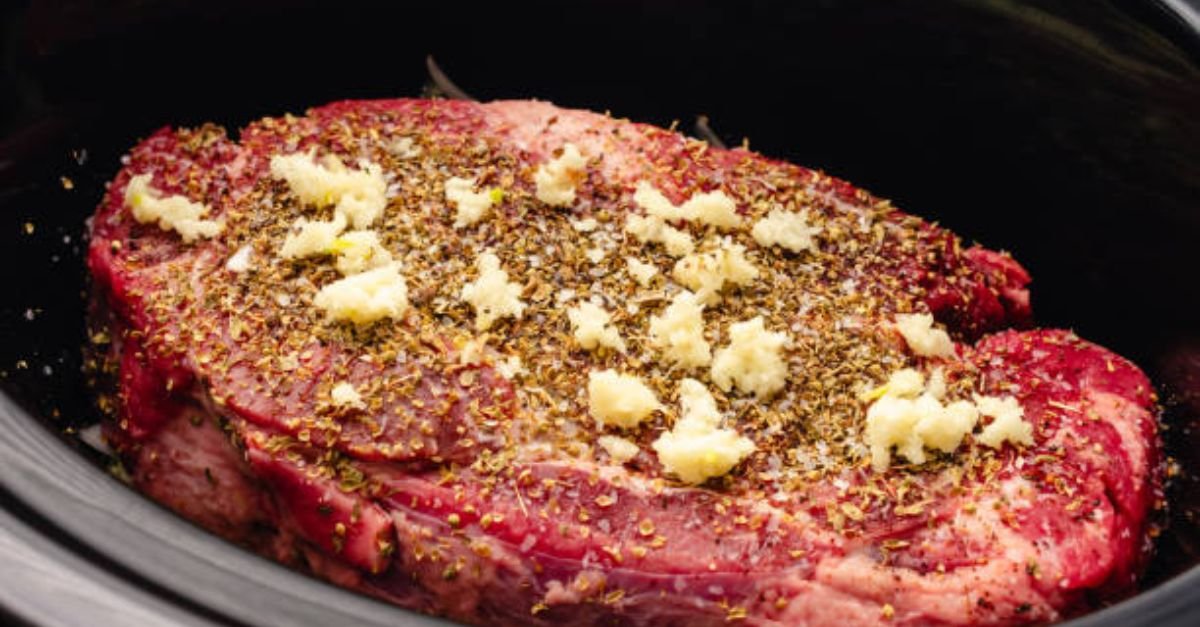
This slow cooker garlic butter beef roast is the kind of comforting dinner that fills the kitchen with the irresistible aroma of garlic, rosemary, and buttery beef. Slow cooking transforms a well-marbled beef roast into tender, juicy pieces that are easy to shred with a fork.
With naturally high protein from the beef and very few carbohydrate-rich ingredients, this recipe fits beautifully into high-protein and low-carb recipes. The savory garlic-butter sauce and sweet onion base add plenty of flavor without relying on flour, sugary sauces, or starchy thickeners.
Short 3-Line Description
Tender beef slowly cooks with garlic butter, rosemary, and onions until incredibly juicy and fork-tender.
This naturally high-protein, low-carb dinner delivers rich savory flavor with minimal preparation.
Serve it with low-carb vegetables for a satisfying family meal.
Can This Slow Cooker Garlic Butter Beef Roast Support Weight Loss Goals?
It can fit into a weight-conscious meal plan when the serving size and overall daily calorie intake are appropriate. Beef provides substantial protein, which can help make a meal more satisfying and supports maintaining muscle as part of an overall balanced diet.
Because chuck roast and butter are relatively calorie-dense, portion size matters. For a lighter version, trim visible excess fat from the roast and use less butter while serving the beef with plenty of non-starchy vegetables.
Does Slow Cooker Garlic Butter Beef Roast Fit a High Protein Lifestyle?
Yes, this recipe is naturally well suited to a high-protein lifestyle because lean protein is supplied primarily by the beef roast.
The onions and garlic contribute some carbohydrates, but the overall recipe remains relatively low in carbohydrates, with a modest estimated net-carb count per serving.
Butter and olive oil add fat rather than protein, so they should be portioned according to your nutrition goals.
Pairing the roast with broccoli, green beans, cauliflower, or a leafy salad keeps the meal protein-focused and low in carbohydrates.
My Personal Experience
I can’t truthfully claim personal experience eating or preparing this dish, so these recipe-specific notes are written as first-person-style observations you can adapt for your own food blog.
- I love how tender the beef becomes after slow cooking.
After several hours on low heat, the roast should be soft enough to pull apart easily with a fork. - The garlic butter gives the beef an especially rich flavor.
Fresh minced garlic melts into the butter and cooking juices, creating a savory sauce that coats every piece. - I like adding rosemary for a fresh herbal contrast.
Its earthy aroma balances the richness of the beef and butter without overpowering the main flavor. - The onions make an excellent base for the roast.
They slowly soften in the cooking juices and become sweet, tender, and deeply savory.
Perfect For:
This roast is ideal for high-protein dinners, low-carb meal plans, keto-style dinners, family Sunday meals, meal prep, and cozy winter cooking. It also works well when you want a filling protein-centered dinner without complicated preparation.
For a balanced high-protein meal, serve it with steamed broccoli, roasted cauliflower, green beans, asparagus, or a crisp leafy salad.
Why You’ll Love This Recipe
- Fork-tender beef
Long, gentle slow cooking breaks down the connective tissue and creates exceptionally tender meat. - Rich garlic-butter flavor
Butter, fresh garlic, rosemary, and beef juices combine into a deeply savory sauce. - Naturally high in protein
Beef makes this a substantial protein-centered meal that can fit easily into a high-protein eating pattern. - Low-carb friendly
There is no flour, pasta, rice, or sugary sauce, keeping the carbohydrate contribution relatively low. - Minimal hands-on cooking
Once the ingredients are prepared and the slow cooker is running, most of the cooking happens without constant attention. - Great for leftovers
The cooked beef reheats well and can be used in salads, lettuce wraps, bowls, or low-carb sandwiches.
Common Mistakes to Avoid
- Skipping the seasoning — A large roast needs enough salt and pepper to season the interior as well as the surface.
- Adding too much liquid — The beef and onions release moisture during cooking, so excessive broth can dilute the garlic-butter flavor.
- Cooking only by the clock — Different roasts vary in size and connective tissue; cook until the beef is genuinely fork-tender.
- Slicing immediately instead of checking tenderness — If the roast is still firm, give it more slow-cooking time rather than serving it prematurely.
Required Equipment
- 6-quart slow cooker — Provides enough space for a large roast and aromatics to cook evenly.
- Large skillet — Useful for browning the beef and building deeper savory flavor.
- Tongs — Makes turning and transferring the heavy roast easier.
- Small saucepan — Helps gently melt the butter and infuse it with garlic and herbs.
- Instant-read thermometer — Provides a useful check on the roast’s internal temperature during cooking.
Storage Instructions
Allow the cooked beef to cool slightly, then transfer it with some of its cooking juices into a shallow airtight glass or food-safe container. Refrigerate within about 2 hours of cooking.
- Refrigerator: Keep for 3–4 days.
- Freezer: Freeze in airtight freezer containers or heavy-duty freezer bags for approximately 2–3 months for best quality.
- Best freezing method: Store individual portions with a little cooking juice to help prevent the beef from drying out.
- Reheating: Reheat gently in a covered skillet or microwave until steaming hot throughout, adding a splash of broth if necessary.
The protein content remains essentially unchanged by proper refrigeration or freezing, although the texture can become slightly softer after freezing and thawing.
Recipe Details
Preparation Time: 15 minutes
Cooking Time: 8–9 hours on LOW or 4–5 hours on HIGH
Total Time: About 8 hours 15 minutes on LOW
Servings: 8
Best Season: All-season
Total Calories: Approximately 550 calories per serving
Nutrition values are approximate estimates and can vary substantially according to the beef cut, trimming, butter quantity, and serving size.
📝 Ingredients
Beef Roast
- 3 lb (1.36 kg) beef chuck roast
- 1½ teaspoons kosher salt
- 1 teaspoon freshly ground black pepper
- 1 teaspoon paprika — optional, for additional savory flavor
- 1 tablespoon olive oil — for browning
Garlic Butter
- 4 tablespoons unsalted butter
- 8 cloves garlic, finely minced
- 2 tablespoons fresh rosemary, chopped
- ½ teaspoon dried thyme — or 1 teaspoon fresh thyme leaves
Slow Cooker Base
- 1 large yellow onion, sliced
- ½ cup low-sodium beef broth
- 1 tablespoon Worcestershire sauce — optional; check the label if following a very strict low-carb plan
Ingredient note: Trim excessive external fat from the chuck roast if you prefer a lighter finished dish, but leave some marbling for tenderness and flavor.
Directions
1. Prepare the roast — 5 minutes
Pat the beef dry with paper towels. Season all sides evenly with salt, black pepper, and paprika.
High-protein cooking tip: Avoid replacing the beef with a heavily processed meat product if your goal is to keep the dish centered around minimally processed protein.
2. Brown the beef — medium-high heat, 3–4 minutes per side
Heat olive oil in a large skillet over medium-high heat. Brown the roast on all major sides until a deep brown crust develops.
The center does not need to be cooked through at this stage; the goal is flavorful browning.
3. Make the garlic butter — low heat, 1–2 minutes
Reduce the skillet to low heat and add butter. Once melted, add minced garlic, rosemary, and thyme.
Cook gently for about 30–60 seconds, just until fragrant. Do not let the garlic turn dark brown, as burnt garlic can taste bitter.
4. Build the slow cooker — 5 minutes
Place the sliced onions across the bottom of the slow cooker. Put the browned roast on top.
Pour the garlic butter mixture over the beef, then add the beef broth and Worcestershire sauce around the sides.
5. Slow cook — LOW for 8–9 hours
Cover and cook on LOW for 8–9 hours, or on HIGH for 4–5 hours.
Avoid repeatedly opening the lid because heat escapes and can extend the cooking time.
6. Check for tenderness
The roast is ready when a fork slides easily into the thickest portion and the beef pulls apart with little resistance.
For a shreddable texture, don’t stop cooking simply because the beef has reached a basic food-safety temperature—the connective tissue also needs enough time to soften.
7. Rest and serve — 10–15 minutes
Transfer the roast to a cutting board and let it rest for 10–15 minutes. Shred or slice against the grain, then spoon some of the garlic-butter cooking juices over the top.
Serve immediately with your favorite low-carb vegetables.
Nutrition Facts
Per Serving — Approximate
Based on 8 servings and the ingredient quantities above:
| Nutrient | Approx. Amount |
|---|---|
| Calories | ~550 kcal |
| Fats | ~39 g |
| Cholesterol | ~150 mg |
| Sodium | ~650 mg |
| Potassium | ~600 mg |
| Total Carbohydrates | ~5 g |
| Fiber | ~1 g |
| Net Carbs | ~4 g |
| Sugars | ~2 g |
| Protein | ~42 g |
| Calcium | ~35 mg |
These figures are estimates, not laboratory measurements. The actual nutrition will depend heavily on how much external fat is trimmed from the roast and the exact beef cut and brands used.
Notes
- Storage: Refrigerate leftovers for 3–4 days or freeze for 2–3 months.
- Reheating: Warm gently with a little reserved cooking juice or beef broth to maintain moisture.
- Allergy notes: Worcestershire sauce may contain fish, soy, or other ingredients depending on the brand; check the label if allergies are a concern.
- Dairy-free option: Replace butter with olive oil or another suitable dairy-free cooking fat.
- Flavor boost: Add a small amount of fresh thyme, rosemary, cracked black pepper, or a pinch of red pepper flakes.
- Lower-calorie option: Trim more external fat from the roast and reduce the butter to 2 tablespoons.
- Lower-carb option: Reduce the onion quantity and serve with non-starchy vegetables rather than potatoes or bread.
- Extra-rich option: Spoon the concentrated cooking juices over the beef immediately before serving.
Frequently Asked Questions
1. Can I make this roast without browning the beef first?
Yes, but browning first adds a deeper roasted flavor and more appealing color to the finished beef.
2. Can I use a different cut of beef?
Yes, brisket or another suitable slow-cooking beef cut can work, although cooking time and final texture may vary.
3. Is this recipe keto-friendly?
It can fit many keto-style meal plans because it is low in net carbohydrates, but the exact portion and accompanying foods should fit your individual carbohydrate target.
4. Can I add potatoes and carrots?
Yes, but they will substantially increase the carbohydrate content, so use them only if they fit your meal plan.
5. Why is my beef still tough after several hours?
Chuck roast often becomes tender only after enough connective tissue has broken down, so continue slow cooking until it pulls apart easily.
6. Can I make this recipe ahead of time?
Yes, the roast can be cooked ahead, refrigerated with its juices, and gently reheated when ready to serve.
