No Carb Raspberry Cheesecake Ice Cream Recipe
Description
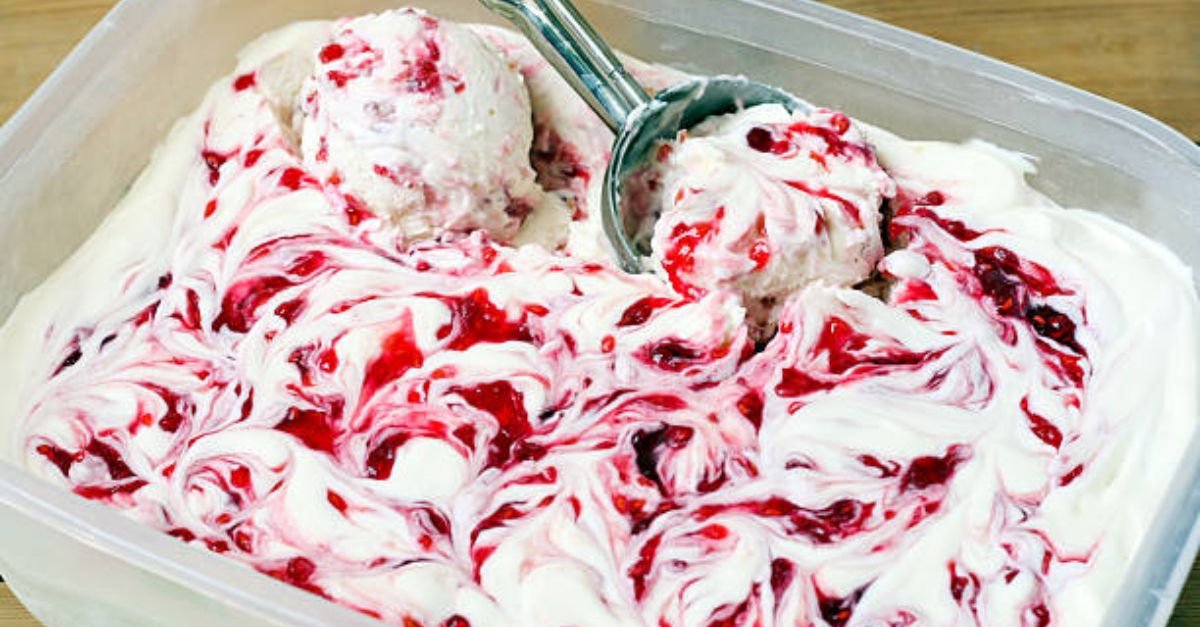
This No Carb Raspberry Cheesecake Ice Cream is creamy, tangy, and bursting with fresh raspberry flavor. The cheesecake-style base creates a rich texture, while raspberries add beautiful swirls and natural fruity sweetness.
Made with protein-rich cottage cheese, Greek yogurt, and protein powder, it works especially well as a high protein dessert, low-carb snack, or keto-friendly treat. It is also easy to prepare without an ice-cream machine.
Can This No Carb Raspberry Cheesecake Ice Cream Support Weight Loss Goals?
It can fit into a weight-conscious eating pattern when enjoyed in an appropriate portion. The recipe provides substantial protein from cottage cheese, Greek yogurt, and protein powder, which can make the dessert more filling than many traditional ice creams. Keep in mind that no food automatically causes weight loss, and overall calorie intake and dietary pattern matter.
Does No Carb Raspberry Cheesecake Ice Cream Fit a High Protein Lifestyle?
Yes, this recipe is particularly suitable for a high-protein lifestyle because its main ingredients include cottage cheese, Greek yogurt, and protein powder. The raspberries contribute fiber and flavor while keeping the carbohydrate load relatively modest. Depending on the brands and sweetener used, one serving provides approximately 25–30g of protein. For a truly low-carb version, choose unsweetened dairy products and a zero-carb sweetener.
My Personal Experience
- The texture turned out exceptionally creamy.
Blending the cottage cheese and Greek yogurt until completely smooth removes the graininess and creates a cheesecake-like base. - The raspberry swirl makes every bite more interesting.
Lightly crushing the raspberries instead of completely blending them leaves attractive fruity pockets throughout the ice cream. - The cheesecake flavor stands out nicely.
Cream cheese, vanilla, and a small amount of lemon juice give the dessert that familiar cheesecake tang. - It works well as a protein-rich sweet treat.
The combination of Greek yogurt, cottage cheese, and protein powder makes it considerably more protein-focused than conventional ice cream.
Perfect For:
This raspberry cheesecake ice cream is ideal for high protein desserts, low-carb snacks, keto-inspired meal plans, summer treats, post-workout snacks, and high-protein breakfast alternatives. It is also a convenient make-ahead dessert when you want something sweet without relying on traditional sugary ice cream.
Why You’ll Love This Recipe
- High in protein
Cottage cheese, Greek yogurt, and protein powder provide a strong protein base while keeping the dessert creamy. - Beautiful raspberry swirls
Crushed raspberries create naturally colorful ribbons throughout the cheesecake-flavored ice cream. - No ice-cream machine required
Everything can be blended and frozen in a suitable container at home. - Low-carb friendly
Using unsweetened dairy products and a zero-carb sweetener keeps the carbohydrate content relatively low. - Creamy cheesecake flavor
Cream cheese, vanilla, and lemon juice give this frozen dessert its classic cheesecake character.
Common Mistakes to Avoid
- Not blending the cottage cheese enough — Blend until completely smooth to avoid a grainy texture.
- Adding too much raspberry puree — Excess liquid can make the finished ice cream icier rather than creamy.
- Over-freezing uncovered — Keep the container tightly covered to reduce ice crystals and freezer burn.
- Serving immediately after deep freezing — Allow it to sit at room temperature for several minutes before scooping.
Required Equipment
- High-speed blender or food processor — Creates a smooth, creamy cheesecake base.
- Measuring cups and spoons — Keeps the ingredient ratios consistent.
- Spatula — Makes it easy to fold in the raspberry swirl.
- Freezer-safe container — Provides a suitable environment for freezing the ice cream.
- Freezer — Sets the mixture into scoopable ice cream.
Storage Instructions
Store leftovers in a shallow, airtight freezer-safe container with a lid. Pressing a piece of parchment or plastic wrap directly against the surface can further reduce ice crystals.
The ice cream is best enjoyed within 1–2 weeks for its best texture and flavor. It can remain frozen longer, but the texture may gradually become harder or icier.
For serving, remove it from the freezer and let it soften at room temperature for approximately 10–15 minutes. Do not repeatedly thaw and refreeze the entire container.
Recipe Details
- Preparation Time: 15 minutes
- Cooking Time: 0 minutes
- Freezing Time: 4–6 hours
- Total Time: About 4 hours 15 minutes
- Servings: 6
- Best Season: All-season, especially summer
- Total Calories: Approximately 230–250 calories per serving
Nutrition values are approximate and vary according to the brands of dairy products, protein powder, sweetener, and cream cheese used.
Short Description
Creamy raspberry cheesecake ice cream made with protein-rich dairy ingredients.
A refreshing low-carb dessert with tangy cheesecake flavor and raspberry swirls.
Perfect for a high-protein snack, summer dessert, or keto-inspired eating plan.
📝 Ingredients
- 2 cups 2% cottage cheese — approximately 450 g
- 1 cup plain unsweetened Greek yogurt — approximately 240 g
- 4 oz full-fat cream cheese, softened — approximately 113 g
- 2 scoops vanilla protein powder — approximately 50–60 g
- 1 cup fresh or frozen raspberries — approximately 125 g
- ⅓ cup granulated zero-calorie sweetener — adjust to taste
- 1 tsp pure vanilla extract
- 1 tbsp fresh lemon juice
- 1–2 tbsp unsweetened almond milk, only if needed for blending
Ingredient note: Use unsweetened Greek yogurt, cottage cheese, and protein powder to keep added sugars and carbohydrates lower. If using frozen raspberries, thaw and drain excess liquid first.
Directions
- Prepare the raspberry mixture.
Add the raspberries to a small bowl and gently crush them with a fork. Leave some small pieces intact for a visible raspberry swirl. - Make the cheesecake base.
Add cottage cheese, Greek yogurt, softened cream cheese, protein powder, sweetener, vanilla extract, and lemon juice to a high-speed blender. - Blend until smooth.
Blend on medium-high speed for 1–2 minutes, stopping once or twice to scrape the sides. The mixture should look thick, glossy, and completely smooth. - Adjust the consistency.
If the blender struggles, add 1 tablespoon almond milk at a time. Avoid adding too much liquid because a thicker base generally freezes more creamily. - Taste before freezing.
Taste the mixture and adjust the sweetener or lemon juice if necessary. Remember that frozen desserts taste slightly less sweet once chilled. - Add the raspberry swirl.
Pour half of the cheesecake mixture into a freezer-safe container. Spoon over half of the crushed raspberries, then repeat with the remaining mixture and raspberries. - Create the swirls.
Use a butter knife or skewer to make 3–4 gentle figure-eight movements through the mixture. Do not overmix, or the raspberry pattern will disappear. - Freeze.
Cover tightly and freeze for approximately 4–6 hours. No heat is required for this recipe. - Soften before serving.
Remove the container from the freezer and let it stand for 10–15 minutes. Scoop once the ice cream becomes creamy enough to serve.
High-protein cooking tip: Choose a protein powder that blends smoothly and is not overly sweet. A whey/casein blend can work particularly well for a creamy frozen texture.
Nutrition Facts
Per Serving — Approximate
- Calories: 240 kcal
- Fat: 10 g
- Cholesterol: 55 mg
- Sodium: 400 mg
- Potassium: 300 mg
- Total Carbohydrates: 13 g
- Fiber: 2 g
- Net Carbs: 11 g
- Sugars: 7 g
- Protein: 28 g
- Calcium: 180 mg
These are approximate estimates. Actual nutrition will depend heavily on the cottage cheese, Greek yogurt, cream cheese, protein powder, raspberries, and sweetener brands used.
Notes
- Storage: Keep tightly covered in the freezer and use within 1–2 weeks for the best texture.
- Serving: Allow 10–15 minutes at room temperature before scooping.
- Reheating: This recipe should not be reheated; simply soften briefly before serving.
- Allergy note: Contains dairy and may contain milk-derived ingredients from the protein powder; check labels for additional allergens.
- Flavor boost: Add a little extra lemon zest for a brighter cheesecake flavor.
- Raspberry boost: Reserve a few whole raspberries to place on top before freezing.
- Lower-carb option: Choose unsweetened dairy products and a zero-carb sweetener, and check the protein powder’s nutrition label carefully.
Frequently Asked Questions
1. Is this ice cream really zero-carb?
No, raspberries and dairy naturally contain carbohydrates, so it is more accurate to describe this version as low-carb rather than truly zero-carb.
2. Can I use frozen raspberries?
Yes, frozen raspberries work well, but thaw and drain them first to prevent excess water from making the ice cream icy.
3. Do I need an ice-cream machine?
No, a high-speed blender and freezer-safe container are sufficient.
4. How can I make the ice cream softer?
Avoid adding excess liquid and allow the frozen ice cream to sit at room temperature for 10–15 minutes before scooping.
5. Can I use another protein powder flavor?
Yes, vanilla works especially well, but an unflavored protein powder can also be used if you want the raspberry and cheesecake flavors to dominate.
6. Can I make it sweeter without adding sugar?
Yes, use a suitable zero-calorie sweetener and adjust the amount according to the sweetness of your protein powder and raspberries.
