Description
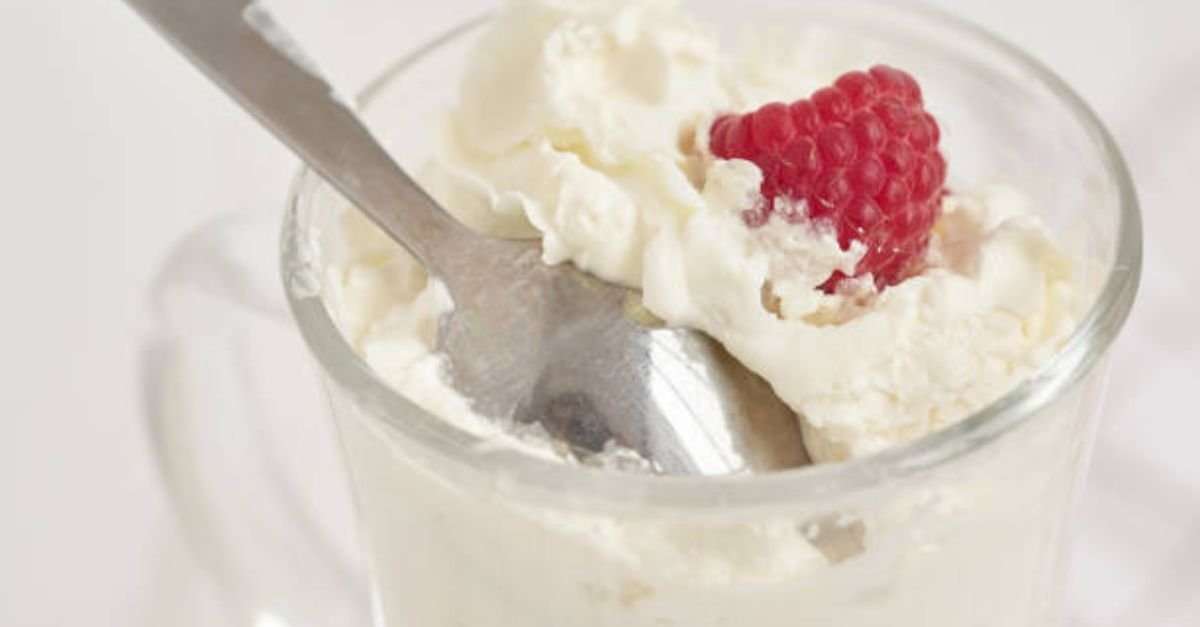
This creamy white chocolate mousse is silky, rich, and wonderfully smooth, with a delicate vanilla flavor and the luxurious sweetness of white chocolate. A combination of Greek yogurt and cream cheese gives the mousse a thick, velvety texture while keeping it light enough to spoon straight from the refrigerator.
It’s an easy high-protein dessert that requires no complicated baking and can be prepared ahead of time. With portion-controlled white chocolate and unsweetened dairy ingredients, it can also work as a protein-friendly treat within a balanced or lower-carb eating plan.
Short 3-Line Description
Silky white chocolate and creamy vanilla come together in this easy no-bake mousse.
Greek yogurt adds protein and a smooth, cheesecake-inspired texture.
Chill, spoon into small glasses, and enjoy as a high-protein dessert or snack.
Can This Creamy White Chocolate Mousse Support Weight Loss Goals?
It can fit into a weight-conscious eating pattern when served in a reasonable portion and included within your overall calorie needs. Greek yogurt provides protein, which can make a dessert more satisfying than a traditional mousse made primarily from cream and sugar.
White chocolate is still relatively calorie-dense, so portion size is important. Using a modest amount of white chocolate, unsweetened Greek yogurt, and reduced-fat cream cheese can make the recipe more suitable for a calorie-conscious meal plan.
Does Creamy White Chocolate Mousse Fit a High Protein Lifestyle?
Yes, this version uses Greek yogurt and cream cheese to make the dessert more protein-friendly than a traditional white chocolate mousse.
The main carbohydrate sources are white chocolate and dairy ingredients, while there is no flour or refined starch added.
Its estimated net carbs are moderate, rather than extremely low, so strict keto plans should check the labels of the chocolate and yogurt used.
For more protein, choose a plain Greek yogurt with a high protein content and a low-sugar protein powder.
My Personal Experience
I can’t truthfully claim personal experience eating or preparing this recipe, so these recipe-specific first-person-style notes can be adapted for your own food blog.
- I love the silky texture of this mousse.
Blended Greek yogurt and softened cream cheese create a smooth, creamy consistency that feels rich without requiring a complicated custard. - The white chocolate gives it a naturally luxurious flavor.
Its buttery sweetness pairs especially well with vanilla and the slight tang of Greek yogurt. - I prefer serving it well chilled.
Refrigeration gives the mousse time to firm up and produces a thicker, more spoonable texture. - I like keeping the portions small.
The white chocolate makes the dessert rich, so individual serving cups provide an easy way to control portions.
Perfect For:
This mousse is ideal for high-protein desserts, low-carb desserts, high-protein snacks, make-ahead desserts, dinner parties, brunch, holiday treats, and sweet meal-prep options.
It can be incorporated into some keto-style meal plans with suitable low-sugar white chocolate and yogurt, although traditional white chocolate contains a significant amount of sugar and carbohydrates.
Why You’ll Love This Recipe
- Creamy cheesecake-like texture
Greek yogurt and cream cheese create a thick, smooth mousse with a pleasant tang. - High-protein dessert option
Greek yogurt and protein powder add protein to a traditionally low-protein dessert. - No oven required
The mousse comes together on the stovetop and refrigerator without baking. - Rich white chocolate flavor
Melted white chocolate provides a smooth, sweet flavor that pairs beautifully with vanilla. - Make-ahead friendly
The mousse becomes even firmer and more cohesive after several hours in the refrigerator. - Easy to portion
Dividing the mixture into six small glasses makes serving and calorie tracking easier.
Common Mistakes to Avoid
- Overheating the white chocolate — Melt it gently over low heat or in short microwave intervals because overheated chocolate can become grainy.
- Adding hot chocolate directly to cold yogurt — Let the melted chocolate cool slightly before combining it to prevent the dairy mixture from becoming lumpy.
- Using watery yogurt — Excess liquid can make the mousse too loose; use thick Greek yogurt.
- Skipping the chilling time — The mousse needs refrigeration to develop its final thick, spoonable texture.
Required Equipment
- Heatproof bowl — Allows the white chocolate to melt gently without direct heat.
- Small saucepan — Provides controlled low heat for melting the chocolate.
- Blender or food processor — Creates an exceptionally smooth yogurt and cream-cheese mixture.
- Rubber spatula — Scrapes the bowl clean and helps combine the ingredients evenly.
- Electric hand mixer — Whips the optional cream into a lighter mousse texture.
- Six small dessert glasses — Creates convenient individual portions.
Storage Instructions
Transfer the mousse into airtight glass containers or cover individual dessert glasses tightly with plastic wrap.
- Refrigerator: Keep refrigerated for up to 3 days.
- Freezer: Freeze for up to 1 month in airtight freezer-safe containers.
- Best texture: Thaw frozen mousse overnight in the refrigerator.
- Do not leave at room temperature for extended periods, since the recipe contains dairy.
Freezing can slightly change the texture, so refrigeration is preferred when possible. No reheating is necessary.
Recipe Details
Preparation Time: 15 minutes
Cooking Time: 5 minutes
Chilling Time: 2 hours
Total Time: 2 hours 20 minutes
Servings: 6
Best Season: All-season
Total Calories: Approximately 220 calories per serving
Calories are an approximate estimate and will vary depending on the white chocolate, yogurt, cream cheese, and protein powder used.
📝 Ingredients
Creamy White Chocolate Mousse
- 4 oz (113 g) white chocolate, finely chopped
- 1½ cups (340 g) plain nonfat Greek yogurt
- 4 oz (113 g) reduced-fat cream cheese, softened
- 1 scoop (30 g) vanilla protein powder
- 1 teaspoon vanilla extract
- 2 tablespoons powdered erythritol or monk fruit sweetener — optional, depending on the sweetness of the chocolate
- ¼ teaspoon salt
- ¼ cup (60 ml) heavy cream — optional, for a lighter, more mousse-like texture
Optional Garnish
- 1 tablespoon white chocolate shavings
- Fresh blueberries or raspberries
- Small mint leaves
Ingredient note: Use thick Greek yogurt rather than regular yogurt. If your white chocolate is already very sweet, you may not need additional sweetener.
Directions
1. Soften the cream cheese — 10 minutes
Remove the cream cheese from the refrigerator and allow it to soften at room temperature for about 10 minutes.
Softened cream cheese blends more easily and helps prevent lumps.
2. Melt the white chocolate — low heat, 3–5 minutes
Place the chopped white chocolate in a heatproof bowl over a saucepan containing a small amount of gently simmering water.
Keep the heat on low and stir continuously until the chocolate is almost completely melted.
Remove from the heat and stir until completely smooth.
Texture cue: The chocolate should look glossy and fluid rather than thick or grainy.
3. Cool the chocolate slightly — 5 minutes
Allow the melted chocolate to cool for approximately 5 minutes.
It should remain liquid but feel only slightly warm. This helps prevent the yogurt and cream cheese from becoming lumpy when combined.
4. Blend the creamy base — 1 minute
Add Greek yogurt, softened cream cheese, protein powder, vanilla, sweetener, and salt to a blender or food processor.
Blend on medium speed for 30–60 seconds, until completely smooth.
High-protein tip: Choose a Greek yogurt and protein powder with a high protein-to-calorie ratio to increase the protein content without adding unnecessary sugar.
5. Combine with white chocolate — 1–2 minutes
With the blender running on low speed, gradually add the slightly cooled melted white chocolate.
Blend just until the mixture becomes smooth and uniform.
Do not over-blend, as excessive mixing can make the mousse unnecessarily loose.
6. Whip the cream — medium-high speed, 2–3 minutes
If using heavy cream, whip it in a separate bowl at medium-high speed until soft peaks form.
The cream should hold its shape but remain soft and smooth.
7. Fold gently — 1 minute
Transfer the white chocolate mixture to a bowl and gently fold in the whipped cream using a rubber spatula.
Fold from the bottom upward until no visible streaks remain.
This preserves air and gives the mousse a lighter texture.
8. Portion and chill — 2 hours
Divide the mousse evenly among six small dessert glasses.
Cover and refrigerate for at least 2 hours, preferably 3–4 hours for a firmer texture.
9. Garnish and serve
Just before serving, top with a few white chocolate shavings, berries, or mint.
The finished mousse should be thick, creamy, smooth, and spoonable.
Nutrition Facts
Per Serving — Approximate
| Nutrient | Amount |
|---|---|
| Calories | ~220 kcal |
| Fats | ~11 g |
| Cholesterol | ~20 mg |
| Sodium | ~160 mg |
| Potassium | ~170 mg |
| Total Carbohydrates | ~18 g |
| Fiber | ~1 g |
| Net Carbs | ~17 g |
| Sugars | ~14 g |
| Protein | ~14 g |
| Calcium | ~170 mg |
Nutrition values are approximate estimates and can vary considerably depending on the brands of white chocolate, Greek yogurt, cream cheese, protein powder, and sweetener.
Notes
- Storage: Refrigerate covered for up to 3 days.
- Freezing: Freeze individual portions for up to 1 month and thaw overnight in the refrigerator.
- Reheating: No reheating is required; this dessert should be served chilled.
- Allergy notes: Contains milk/dairy and may contain soy depending on the white chocolate and protein powder. Check package labels for allergens.
- Gluten note: The basic ingredients do not require wheat, but packaged chocolate and protein powder should be checked for cross-contact if necessary.
- Flavor boost: Add extra vanilla, a little lemon zest, or a tiny pinch of espresso powder.
- Berry pairing: Fresh raspberries or blueberries provide a pleasant tart contrast to the sweet white chocolate.
- Protein boost: Use a high-protein Greek yogurt and protein powder with minimal added sugar.
- Low-carb note: Traditional white chocolate is relatively high in sugar, so use a suitable low-sugar or sugar-free white chocolate if carbohydrate intake is a priority.
Frequently Asked Questions
1. Can I make this mousse without protein powder?
Yes, but the protein content will be lower and the texture may be slightly softer.
2. Can I use regular yogurt instead of Greek yogurt?
Greek yogurt is strongly preferred because its thicker texture produces a firmer mousse.
3. Why did my white chocolate become grainy?
White chocolate can seize or become grainy when overheated or exposed to moisture, so melt it gently over low heat.
4. How long does the mousse need to chill?
It should chill for at least 2 hours, although several hours of refrigeration produces an even firmer texture.
5. Can I make this dessert ahead of time?
Yes, it is an excellent make-ahead dessert and can be prepared up to 3 days before serving.
6. Can I use dark or milk chocolate instead?
Yes, but changing the chocolate will alter the flavor, sweetness, carbohydrate content, and nutritional values.
